
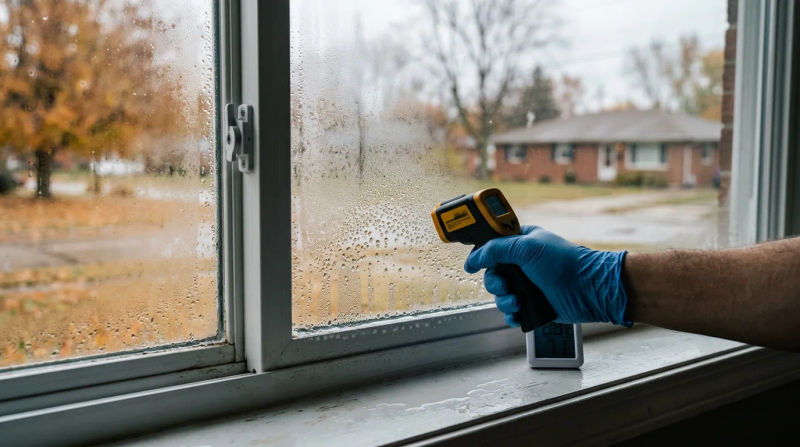
It’s a familiar scene for many of us here in Anderson. You wake up on a crisp October morning, the first real chill of the season is in the air, and you pull back the curtains to let in the morning light. But instead of a clear view, you find your windows are covered in a layer of fog, with little streams of water running down the glass and pooling on the sill. It can be alarming to see so much moisture inside your home. Is it a sign of a leak? Is something wrong with the windows? As a handyman who’s worked in homes across the area for over a decade, I can tell you that this is one of the most common calls my team gets when the temperatures start to drop.
This phenomenon, often called “sweating,” is simply window condensation. While a little bit of it can be normal, excessive or persistent condensation can point to underlying issues and even lead to damage over time. Let’s walk through what to look for, what’s causing it, and when it’s time to get a professional opinion.
Common Signs and Symptoms
At its most basic, window condensation is just moisture from the air turning into liquid water on a cold surface. But how it appears can tell you a lot about what’s going on. Here are the common signs you might see:
- Fog, Haze, or Water Droplets: This is the most obvious sign. You’ll see it on the interior surface of the glass, typically starting at the bottom and corners where the glass is coldest.
- Puddles on the Windowsill: If the condensation is heavy, it will run down the pane and collect on the sill. This is a key sign that you have more moisture than the window can handle.
- Peeling Paint or Stained Wood: Over time, that pooled water will start to damage the window frame and sill. You might notice bubbling or peeling paint, or dark water stains on finished wood.
- Mold or Mildew: Where there’s persistent moisture, mold isn’t far behind. Look for small black or greenish spots on the window frame, sill, or even on the surrounding drywall. This is a definite red flag.
- A Special Case: Moisture Between the Panes: If you have double- or triple-pane windows and you see fog or moisture between the layers of glass, this is different. This isn't an issue with humidity in your home; it means the seal on the insulated glass unit has failed. Unfortunately, this can’t be wiped away and indicates the window is no longer providing proper insulation.
What Causes This Problem
Understanding why you're seeing windows sweating in Anderson, IN, comes down to a simple science lesson involving three key factors: indoor humidity, surface temperature, and air circulation.
Your indoor air always contains a certain amount of water vapor, or humidity. Everyday activities like cooking, showering, doing laundry, and even just breathing add moisture to the air. In the warmer months, this isn't usually a problem. But as we head into fall here in Anderson, things change. The nights get colder, and we experience our first freezes. This causes the surface of your window glass to become very cold - often the coldest surface in the room.
When the warm, moist air inside your home comes into contact with that cold glass, the air rapidly cools. Cold air can’t hold as much moisture as warm air, so it releases the excess water onto the glass in the form of condensation. Think of it like the sweat on a cold glass of iced tea on a summer day - it’s the same principle.
Several factors can make this cold weather window moisture worse:
- Home Construction: Many neighborhoods in Anderson are filled with beautiful mid-century homes, particularly the classic 1950s ranch-style houses. These homes were often built with single-pane windows, which offer very little insulation. The interior glass gets almost as cold as the outside air, making them prime candidates for heavy condensation. Even if they've been updated with older double-pane windows, those units can lose their effectiveness over the years.
- Poor Airflow: If air isn’t circulating well, pockets of humid air can get trapped against the windows. Heavy drapes, closed blinds, or even furniture pushed up against a wall can block airflow and worsen the problem.
- Excessive Indoor Humidity: Sometimes, the issue is simply that your home’s humidity level is too high. This can be caused by a poorly ventilated bathroom, a kitchen without a proper exhaust fan, or even issues like a damp basement or crawl space. As the heavy leaf fall begins, it’s also a good time to check your gutters. Clogged gutters can cause water to overflow and saturate the ground near your foundation, which can increase overall humidity inside the house.
When to Call a Professional
So, how do you know if your window condensation is a minor annoyance or a sign of a bigger problem? Here’s my guide for when you can tackle it yourself versus when you should call for help.
You can likely manage it yourself if:
- The condensation is light and only appears on cold mornings, disappearing as the day warms up.
- You don’t see any signs of water damage, peeling paint, or mold.
In these cases, your goal is to reduce condensation on windows by controlling the three factors we discussed. You can:
- Lower Indoor Humidity: Use exhaust fans in your kitchen and bathrooms every time you cook or shower. Consider running a dehumidifier in particularly damp areas of your home.
- Improve Air Circulation: Open your curtains or blinds during the day to allow air to flow across the glass. A ceiling fan on a low, reverse setting can also help keep air moving without creating a draft.
- Wipe It Down: Keep a small towel or squeegee near problematic windows and wipe away the moisture each morning. This simple step prevents the water from soaking into the wood and causing damage.
You should call a professional if:
- You see moisture between the glass panes. As I mentioned, this is a sign of a failed seal. An experienced professional can assess whether the insulated glass unit can be replaced or if the entire window needs to be swapped out.
- There is visible wood rot, soft spots, or significant paint damage. This means the moisture problem has been going on for a while and has started to cause structural damage to the window or surrounding frame. This needs to be repaired properly to prevent further decay.
- You find mold or mildew. While you can clean small spots, recurring or widespread mold indicates a persistent moisture source that needs to be identified and fixed by a professional.
- Your windows are noticeably drafty or difficult to operate. This suggests that weatherstripping and seals are worn out, which not only worsens condensation but also costs you money in energy bills.
Conclusion
Seeing window condensation can be unsettling, but in many cases, it’s your home’s way of telling you that the indoor humidity is a bit high for the cold weather outside. By taking a few simple steps to manage humidity and improve airflow, you can often keep the problem under control.
However, it's crucial not to ignore the warning signs of a more serious issue. Water is one of the most destructive forces when it comes to home maintenance, and small problems left unchecked can lead to costly repairs down the road. Pay attention to your windows, especially as the seasons change. They can tell you a lot about the health of your home.
If you notice any of the more serious signs like moisture between the panes, rotting wood, or mold, don’t hesitate to contact a local handyman professional for an inspection.